Fire Safety in Schools: Help With Your Legal Requirements

Your UK school must comply with fire safety law, specifically the Regulatory Reform (Fire Safety) Order 2005, as amended by the Fire Safety Act 2021 and subsequent legislation (Fire Safety Order 2005).
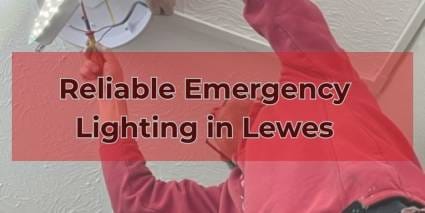
You will need reliable fire detection with smoke detectors, clearly audible alarms, and appropriate firefighting equipment positioned strategically throughout the building. Install emergency lighting in corridors and escape routes, ensuring it provides illumination for the duration specified by your fire risk assessment. In many schools, this is three hours.
Maintain detailed documentation of all inspections, training and drills, while conducting regular testing of equipment. Staff must receive proper training on evacuation procedures and equipment use. There is much to consider when protecting your school community.
Key Takeaways
- Schools must comply with the Fire Safety Order 2005, as amended, and ensure appropriate fire precautions are in place based on a suitable and sufficient fire risk assessment.
- Fire alarm systems should be designed, installed and maintained in accordance with the current edition of BS 5839-1 as the recognised benchmark guidance.
- Fire extinguishers should be selected and positioned in line with BS 5306-8 guidance, including wet chemical provision where deep fat fryers are present.
- Emergency lighting should be installed in accordance with BS 5266-1 guidance and undergo monthly functional testing and an annual full-duration test.
- Schools must maintain comprehensive fire safety documentation and ensure staff are trained in evacuation procedures.
Fire Detection and Warning Systems
While every UK school must have reliable fire detection systems, the Fire Safety Order is outcome-based. It requires the Responsible Person to ensure adequate fire precautions based on a suitable and sufficient fire risk assessment.
The technical benchmark for fire alarm systems is the current edition of BS 5839-1, which provides recognised guidance on design, installation and maintenance.
Your system should include both manual call points and automatic smoke detection devices where required by your risk assessment.
In normal risk areas, no one should need to travel more than 45 metres to reach a call point. In higher risk areas, shorter travel distances may apply.
Modern fire alarm systems may include smoke detection units in corridors, classrooms and communal areas, with heat detectors in kitchens to reduce false alarms.
Your system should include clearly audible sounders that can be heard throughout the building, even when classroom noise is at its peak.
You are required to maintain these systems with regular testing and documentation. Weekly user tests should be carried out, with professional inspection and servicing at intervals not exceeding six months, unless your fire risk assessment justifies more frequent visits.
Over a twelve-month period, maintenance should achieve full functional testing of all devices in the system.
Essential Fire Fighting Equipment
Beyond detection systems, your school needs appropriate firefighting equipment based on the findings of your fire risk assessment.
You'll need to understand the different fire extinguisher types and their specific uses to ensure suitable provision.
When equipping your school, consider these key requirements:
- Install appropriate extinguishers for different risk areas. CO2 for electrical equipment rooms, foam or water-based extinguishers for general combustible materials.
- Where deep fat fryers or commercial cooking oils are present, provide wet chemical extinguishers suitable for Class F fires.
- Place fire blankets in science labs, kitchens and areas where there is a risk of clothing or small contained fires.
- Ensure all equipment aligns with current British Standard guidance and displays clear operating instructions.
- Position firefighting equipment at key points along escape routes, near fire exits and in higher risk areas.
Powder extinguishers are generally not recommended for routine indoor use unless specifically justified by the fire risk assessment due to visibility and inhalation risks.
Monthly visual inspections should be undertaken by the Responsible Person. Annual servicing should be carried out by a competent person in accordance with BS 5306-3. Document all checks and maintenance in your fire safety logbook.
Emergency Lighting Requirements
Emergency lighting serves as a critical safety measure during power outages and evacuations.
The system should activate automatically when normal power is disrupted.
Emergency lighting is commonly specified at a three-hour duration in schools, particularly where re-occupation may be required following a temporary power failure. In some lower risk situations, a shorter duration may be acceptable where supported by the fire risk assessment.
Your emergency lighting placement requires careful consideration throughout the building, including corridors, stairwells, assembly halls and areas where hazardous equipment is used.
Install lighting near fire alarm call points, first aid stations and emergency exits. Include illumination for external escape routes and assembly points where necessary.
Monthly functional tests should be carried out to confirm operation. In addition, an annual full-duration test should confirm the system can sustain illumination for the required period.
Keep detailed records of all tests, maintenance activities and any repairs to demonstrate compliance with safety regulations.
Fire Safety Documentation
Proper documentation forms the foundation of your school's fire safety programme.
Under the Fire Safety Order 2005, as amended, the Responsible Person has a legal duty to maintain fire safety records. Since 1 October 2023, all Responsible Persons must record their fire risk assessment in full.
Your documentation should include:
- Updated fire risk assessments identifying potential hazards, existing control measures and recommended improvements.
- Records of all fire safety equipment inspections, including dates, findings and maintenance actions taken.
- Documentation of staff training sessions, including attendance and evacuation procedures covered.
- Detailed fire drill records and incident reports where applicable.
Store documents digitally and in hard copy where appropriate, ensuring they are accessible during inspections.
Staff Training and Drills
Regular staff training and fire drills are critical components of your school's fire safety arrangements.
All staff should understand their roles during an emergency evacuation, including knowledge of assembly points, pupil headcount procedures and arrangements for assisting those with mobility challenges.
Many schools conduct at least one drill per term as a practical benchmark.
Designate fire wardens where appropriate and ensure responsibilities are clearly defined.
Vary drill timing and scenarios where suitable, and maintain detailed records of outcomes and improvements.
Rounding Up Effective Fire Safety in Schools
Your school's fire safety system requires regular attention and upkeep to protect pupils and staff.
By complying with fire safety law, following recognised British Standard guidance and maintaining thorough documentation, you create a safer environment and demonstrate robust compliance with current regulations.
This article provides general guidance on fire safety requirements for UK schools. It is not a substitute for a suitable and sufficient fire risk assessment carried out by a competent person. Fire safety requirements vary based on individual building characteristics, occupancy patterns and risk factors.
Call Armoury Security + Fire on 01323 725190 or click the Get Your Quote button below to get advice for your specific school.


This article is provided for general information and educational purposes only. It is not legal advice, a fire risk assessment, a compliance audit, a technical specification, or a substitute for advice based on inspection of your premises. You should not rely on it as the basis for taking action, delaying action, or deciding not to act. Your legal duties, fire safety arrangements and system requirements depend on your specific premises, use, occupancy, risk profile and the findings of a suitable and sufficient fire risk assessment.
Fire safety and security legislation, standards, guidance and enforcement practice can change. Armoury Security + Fire makes no representations or guarantees, express or implied, that content on this site is accurate, complete or current. For practical advice about fire alarm systems, emergency lighting, security systems or system maintenance requirements for your premises, call Armoury Security + Fire on 01323 725 190.
For legal advice, fire risk assessment advice or confirmation of your statutory duties, speak to an appropriately qualified legal adviser, competent fire risk assessor or competent fire safety professional.